




Nailing Down the Perfect Contractor for Your Home Addition
Are you looking for a home addition contractor to expand your living space and boost your home’s value?
Do you wonder why some home additions turn out picture-perfect while others fall flat?
Whatever your goal, hiring the right home addition contractor is essential to ensure your project is completed flawlessly, on time, and within budget.
In this guide, you’ll learn the key steps to take when hiring a home addition contractor, ensuring that every aspect of your project is executed to perfection.
Stick with us, and you’ll gain the confidence to choose a contractor who will turn your home addition vision into reality.
How to Hire the Right Home Addition Contractor in 15 Steps

1. Get Recommendations
The first step in your journey to a successful home addition is gathering recommendations.
Word of mouth is powerful, especially in the San Francisco Bay Area.
Start by asking friends, family, and neighbors about their experiences with home remodeling contractors. They can provide valuable insights and firsthand accounts of their projects.
Additionally, consult the National Association of the Remodeling Industry (NARI) and local building inspectors for professional recommendations.
They can offer valuable insights into contractors who consistently meet code requirements and deliver high-quality work.
These initial steps will help you create a shortlist of potential candidates for your home remodeling project.
2. Do Phone Interviews
Once you have a shortlist of potential contractors for your home addition, the next step is to conduct phone interviews.
This will help you further narrow the list and identify the most suitable candidates for your project.
Phone interviews are an efficient way to gauge the reliability and expertise of each contractor without committing to in-person meetings just yet.
Key Questions to Ask:
- Do you take on projects of my size?
- Can you provide financial references from suppliers or banks?
- Can you share a list of previous clients?
- How many other projects will you be handling at the same time?
- How long have you worked with your subcontractors?
These questions will help you determine the contractor’s capacity to handle your home remodeling project and their reliability.
This step is crucial in ensuring you select a contractor who can deliver exceptional customer service and manage the entire project efficiently.
By asking the right questions, you can identify a contractor who will bring your vision to life while avoiding potential pitfalls that could derail your home addition project in the San Francisco Peninsula area.
3. Meet Face-to-Face
After narrowing down your list through phone interviews, the next step is to meet the contractors in person.
This face-to-face meeting is crucial for assessing their professionalism and understanding their approach to your home remodeling project.
Meeting in person allows you to:
- Discuss your vision and specific needs for the home addition. Follow the link to explore some of our home addition design ideas.
- Evaluate their communication skills and how well they listen to your ideas.
- Gauge their enthusiasm for your project.
During the meeting, ensure that they provide clear and satisfactory answers to your questions.
Additionally, verify their history with consumer protection agencies and the Better Business Bureau to ensure they have a solid reputation.
By taking the time to meet potential contractors in the San Francisco Peninsula area, you can better assess who is the best fit for your home renovation needs.
This step ensures that you choose a contractor who is not only qualified but also someone you feel comfortable working with throughout the entire process.
4. Check Their Past Work

Before finalizing your choice of a home addition contractor, it’s essential to evaluate the quality of their past projects.
This step helps ensure that their workmanship meets your standards and that they have successfully handled similar projects in the past.
How to Evaluate Past Work:
- Ask for References: Request a list of previous clients and contact them to ask about their experiences. Inquire about the contractor’s reliability, quality of work, and adherence to timelines.
- Review Portfolios: Look at portfolios of completed projects to get a sense of their style and expertise. Pay close attention to projects that are similar to your planned home renovation. For example, Home Pride Construction specializes in luxury home additions–follow the link to view some of our luxury remodeling ideas for home additions.
- Visit Current Job Sites: If possible, visit an active job site to see firsthand how the contractor operates. Observe the cleanliness, safety measures, and professionalism of the crew.
Checking past work provides valuable insights into a contractor’s capabilities and ensures you select someone who can deliver high-quality results for your home renovation project in the San Francisco Peninsula area.
This due diligence will help you avoid potential pitfalls and ensure your home addition is executed flawlessly.
5. Verify Qualifications and Insurance
Before proceeding with any contractor, it’s essential to verify their qualifications and insurance coverage.
Ensuring that your chosen contractor is properly licensed and insured protects you from potential liabilities and guarantees that the work will meet the necessary standards.
Why This Matters:
- Licensing: Verify that the contractor holds all required licenses for general construction services in the San Francisco Bay Area. Licensing ensures that the contractor has met specific industry standards and regulations. Follow the link to view details about Home Pride Construction’s contractor license in California.
- Insurance: Confirm that the contractor carries adequate liability insurance and worker’s compensation coverage. This is crucial to protect you from any accidents or damages that may occur during the home remodeling project.
Steps to Take:
- Request a Certificate of Insurance (COI): Ask the contractor to provide a COI, which details their insurance coverage. Ensure it includes liability insurance and worker’s compensation.
- Verify Coverage: Contact the insurance company directly to confirm that the policy is active and adequate for your project’s needs.
- Check for Certifications: Look for additional certifications that demonstrate the contractor’s expertise in specific areas, such as bathroom remodeling, kitchen remodeling, or whole house remodels.
By verifying these qualifications, you can confidently select a contractor who is well-prepared to handle your home renovation project.
6. Get Multiple Estimates
Once you have verified the qualifications and insurance of your potential contractors, the next step is to gather multiple estimates.
Obtaining several quotes will help you understand the cost landscape of your home remodeling project and ensure you get the best value for your investment.
Why Multiple Estimates Matter:
- Comparison: Different contractors may offer various solutions, materials, and timelines. Make sure you are comparing “apples to apples” to make an informed decision.
- Avoid Overpricing: Some contractors might overcharge, while others may underbid just to win the job. Multiple estimates help identify a fair price range.
- Understanding Scope: Each contractor’s estimate will include different details about the project’s scope, giving you a clearer picture of what is involved.
Steps to Take:
- Request Detailed Quotes: Ask for itemized estimates that break down the costs of materials, labor, profit margins, and other expenses.
- Ensure Consistency: Make sure you are comparing apples to apples. Each contractor should provide estimates based on the same project specifications.
- Ask Questions: Don’t hesitate to ask for clarification on any part of the estimate. Understanding every detail is crucial.
By obtaining multiple estimates from home remodeling contractors in the San Francisco Peninsula, you can ensure you are making a well-informed decision.
This approach not only helps you manage your budget effectively but also sets clear expectations for the entire project.
Your dream home addition is within reach with the right contractor at the right price.
7. Make Plans, Get Bids

Once you have multiple estimates, the next step is to make detailed plans and get official bids from your top choices.
This stage involves finalizing your project scope and ensuring all contractors are bidding on the same terms.
Before contractors can provide accurate bids, you need to prepare comprehensive plans that outline every detail of your home remodeling project.
This includes everything from materials to specific design elements. A well-detailed plan helps avoid misunderstandings and ensures all bids are comparable.
Steps to Take:
- Prepare Complete Blueprints: Have a professional draw up detailed plans for your project. These should include dimensions, materials, and other specifics.
- Provide Clear Specifications: Give each contractor the same set of specifications to ensure consistency in the bids.
- Request Itemized Bids: Ask for bids that break down costs for materials, labor, profit margins, and other expenses. This makes it easier to compare and understand each bid.
Benefits of Detailed Plans and Bids:
- Clear Communication: Ensures that all contractors have the same understanding of the project requirements.
- Accurate Comparisons: Allows you to compare bids accurately based on the same criteria.
- Better Budget Management: Helps you understand where your money is going and avoid unexpected expenses.
This preparation sets the stage for a successful home renovation, transforming your living space with precision and clarity.
8. Set a Payment Schedule
Establishing a clear payment schedule is crucial for maintaining financial control over your home addition project.
It ensures that payments are made in stages, based on the progress of the work, which helps protect both you and the contractor.
Why a Payment Schedule is Important:
- Financial Control: Avoids paying too much upfront and ensures that the contractor is incentivized to complete the work satisfactorily.
- Project Progress: Ties payments to milestones, helping you track the construction process and ensure it stays on schedule.
- Protection: Minimizes the risk of losing money if the contractor fails to deliver on their promises.
Recommended Payment Structure:
- Initial Payment: Typically, 10% at the contract signing. This shows your commitment without risking a large sum upfront.
- Progress Payments: Three payments of 25% each, spaced evenly over the duration of the project. These payments should be tied to the completion of specific milestones, such as framing, electrical work, and final inspection.
- Final Payment: The remaining 15% should be paid upon completion of the project when you are fully satisfied with the work.
Tips for Setting a Payment Schedule:
- Avoid Large Upfront Payments: Never pay the entire amount upfront. A small initial payment is sufficient to get started.
- Milestone-Based Payments: Ensure that each payment corresponds to a specific, verifiable milestone in the construction process.
- Written Agreement: Include the payment schedule in your contract, specifying the conditions under which each payment will be made.
This method keeps both you and the contractor accountable, fostering a professional relationship that supports the successful completion of your dream home addition.
9. Don’t Let Price Be Your Sole Guide
When selecting a contractor for your home remodeling project, it’s crucial not to choose based solely on price.
While budget considerations are important, they should not be the only factor in your decision-making process.
Focusing solely on cost can lead to poor workmanship, delays, or even unfinished projects.
Why Price Shouldn’t Be the Only Factor:
- Quality Over Cost: The lowest bid might cut corners on materials or labor quality, leading to future repairs and additional expenses.
- Experience Matters: An experienced contractor may charge more but bring valuable expertise, ensuring your home renovation is done correctly and safely.
- Communication and Comfort: The contractor’s ability to understand your vision and communicate effectively is crucial for a successful project. Paying a bit more for a contractor who listens and responds to your needs can make a significant difference.
Factors to Consider:
- Reputation: Look for contractors with strong reputations in the San Francisco Bay Area. Check online reviews, ask for references, and talk to previous clients about their experiences.
- Workmanship: Evaluate the quality of past projects. Visit completed sites if possible or ask to see a portfolio of their work.
- Professionalism: Assess how professional the contractor is during your interactions. This includes their punctuality, communication skills, and willingness to answer questions.
By prioritizing quality, experience, and communication over price alone, you can ensure a successful home renovation project that adds real value to your living space.
Remember, investing in a reputable and skilled contractor will pay off in the long run, helping you achieve your dream home in the San Francisco Peninsula.
10. Get Everything in Writing
A clear, detailed contract is essential for a successful home addition project.
Having all the terms and conditions documented helps prevent misunderstandings and ensures that both parties are on the same page.
Importance of a Written Contract:
- Clarity and Detail: A written contract provides a comprehensive overview of the project, including timelines, costs, and specific tasks.
- Legal Protection: It serves as a legal document that protects both you and the contractor in case of disputes.
- Accountability: Ensures that the contractor sticks to the agreed-upon terms, reducing the risk of delays or additional costs.
What to Include in the Contract:
- Scope of Work: Detailed description of the work to be completed, including specific materials, brands, and finishes.
- Payment Schedule: Clear outline of payment terms, including initial deposit, progress payments, and final payment.
- Timeline: Start and completion dates, along with any milestones and deadlines.
- Insurance and Permits: Proof of liability insurance and worker’s compensation, as well as responsibility for obtaining necessary permits.
- Change Orders: Process for handling any changes to the original agreement, including how they will be documented and approved.
- Warranties and Guarantees: Any warranties on materials or workmanship, including who is responsible and the duration of coverage. Home Pride Construction offers an industry-leading 5-year warranty on all of our labor, in addition to the manufacturer’s warranty on the premium products we use.
Having a detailed contract in place ensures that your home renovation project in the San Francisco Peninsula proceeds smoothly.
This step safeguards your investment and provides peace of mind, knowing that all aspects of the project are clearly outlined and agreed upon.
By covering all bases, you can focus on transforming your living space into your dream home without unexpected surprises.
11. Understand Your Right to Cancel
It’s essential to know your rights when it comes to canceling a contract.
Both federal and state laws provide protections that allow you to back out of a contract within a certain period, giving you peace of mind when making significant commitments.
Why Understanding Cancellation Rights is Crucial:
- Flexibility: Provides you the option to reconsider your decision without financial penalties.
- Protection: Safeguards you against high-pressure sales tactics and ensures that you have time to review the contract thoroughly.
Steps to Take:
- Federal Cooling-Off Rule: This rule allows you to cancel a contract within three business days if it was signed at your home or at a location that is not the seller’s permanent place of business.
- State Laws: California, for instance, has additional consumer protection laws that may extend your right to cancel. Check with the California Department of Consumer Affairs for specific guidelines.
- Contract Terms: Carefully read the cancellation clause in your contract. It should outline the specific steps and timeframe for canceling the agreement.
How to Cancel a Contract:
- Written Notice: Always provide a written notice of cancellation. Include your name, address, and a statement that you are canceling the contract. Sending this notice via certified mail with a return receipt requested ensures you have proof of delivery.
- Follow Up: Confirm that the contractor has received your cancellation notice and follow up to ensure any deposits or payments are refunded as stipulated in the contract.
Understanding your right to cancel protects you during your home remodeling project in the San Francisco Peninsula.
This knowledge empowers you to make informed decisions and ensures that you are not locked into an agreement if circumstances change or if you have second thoughts about the contractor.
By being aware of these rights, you can proceed with confidence, knowing you have the flexibility to safeguard your investment.
12. Avoid Paying Upfront
When embarking on a home remodeling project, it’s crucial to manage payments wisely to protect your investment.
One key strategy is to avoid paying for the entire project upfront.
Why You Shouldn’t Pay Upfront:
- Risk Mitigation: Paying too much in advance can leave you vulnerable if the contractor fails to complete the work or doesn’t meet your expectations.
- Incentive to Perform: Staggered payments ensure that the contractor remains motivated to finish the project on time and to your satisfaction.
- Financial Control: Helps you manage your budget and track project progress more effectively.
Recommended Payment Strategy:
- Initial Deposit: Typically, a small percentage of the total cost (around 10%) is paid when the contract is signed. This shows your commitment without risking a large sum.
- Milestone Payments: Payments are made in installments based on the completion of specific project stages, such as foundation work, framing, and electrical wiring. This method ties payment to progress.
- Final Payment: The remaining balance (usually about 15%) should be paid only after the project is fully completed and you are satisfied with the results.
Additional Tips:
- Avoid Cash Payments: Use checks or bank transfers to maintain a clear record of all transactions.
- Make Checks Payable to the Company: Not to an individual, ensuring the payments are trackable and legitimate.
- Document Everything: Keep records of all payments, receipts, and any changes to the payment schedule in writing.
By following these payment strategies, you can protect your investment and ensure that your home remodeling project in the San Francisco Peninsula runs smoothly.
This approach helps maintain financial control and encourages the contractor to deliver high-quality work on time.
13. Anticipate Delays
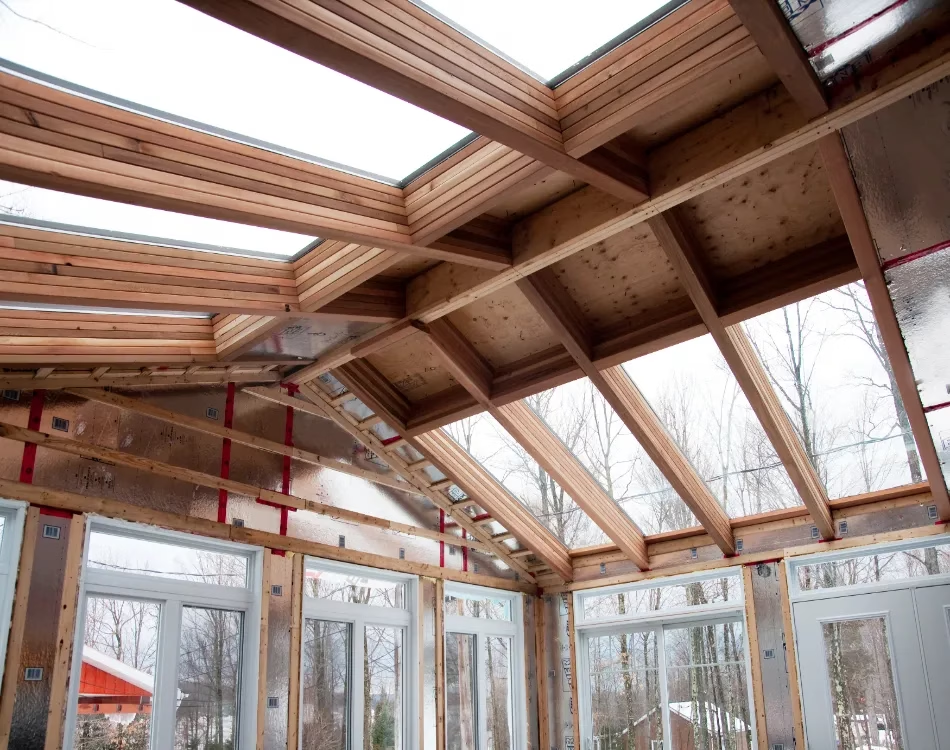
Even with meticulous planning, home addition projects can encounter delays.
Being prepared for potential setbacks ensures you can handle them without significant disruption to your schedule or budget.
Common Causes of Delays:
- Weather Conditions: In the San Francisco Bay Area, unpredictable weather can slow down construction, particularly during the rainy season.
- Supply Chain Issues: Delays in the delivery of materials can halt progress. This can be due to shortages or transportation problems.
- Permitting and Inspections: Securing necessary permits and passing inspections can take longer than expected, especially if there are unforeseen issues that need to be addressed.
Tips for Managing Delays:
- Build in Buffer Time: When planning your project timeline, include extra days or weeks to accommodate potential delays. This cushion helps ensure that minor setbacks don’t derail the entire project.
- Stay Flexible: Be prepared to adjust your schedule as needed. Flexibility allows you to respond effectively to delays and keep the project moving forward.
- Communicate Regularly: Maintain open lines of communication with your contractor. Regular updates can help you stay informed about the project’s progress and any issues that arise.
Steps to Mitigate Delays:
- Order Materials Early: Ensure that all necessary materials are ordered well in advance to avoid waiting for supplies.
- Follow Up on Permits: Stay in close contact with local authorities to expedite the permitting process and address any issues promptly.
- Prepare for Inspections: Work with your contractor to ensure that all aspects of the project meet local codes and standards before inspections, reducing the likelihood of needing rework.
By anticipating and preparing for potential delays, you can better manage your home remodeling project in the San Francisco Peninsula.
This proactive approach helps maintain momentum and ensures that your dream renovation stays on track despite any unforeseen obstacles.
14. Keep a Job File
Maintaining a comprehensive job file is essential for organizing and managing your home remodeling project.
This file serves as a central repository for all important documents, helping you keep track of the project’s progress and any changes that occur.
Why You Need a Job File:
- Organization: Keeps all project-related documents in one place, making it easier to find information when needed.
- Accountability: Ensures that all agreements, changes, and communications are documented, protecting both you and the contractor.
- Reference: Provides a detailed record that you can refer to during and after the project.
What to Include in Your Job File:
- Contracts and Agreements: Keep copies of all signed contracts and any amendments or addenda.
- Permits and Licenses: Include all relevant building permits and contractor licenses.
- Payment Records: Document all payments made, including receipts and invoices.
- Correspondence: Save emails, letters, and notes from meetings with your contractor.
- Change Orders: Record any changes to the original contract, including descriptions of the changes and associated costs.
- Project Plans and Specifications: Store detailed plans, blueprints, and material specifications.
- Inspection Reports: Include any inspection reports and certifications.
Tips for Keeping an Effective Job File:
- Use a Binder or Digital Folder: Organize documents either in a physical binder or a digital folder for easy access.
- Label Clearly: Ensure each document is clearly labeled and dated for quick reference.
- Update Regularly: Add new documents and update existing ones as the project progresses.
By keeping a well-organized job file, you can ensure that your home remodeling project in the Bay Area runs smoothly.
This approach helps you stay on top of all aspects of the construction process, making it easier to manage and complete your dream home renovation successfully.
15. Watch for Red Flags
Selecting a trustworthy contractor is vital for a successful home remodeling project.
Identifying red flags early can save you from potential issues and ensure your project proceeds smoothly.
Red Flags to Watch For:
- Demanding Full Payment Upfront: A reputable contractor will not ask for the entire payment before starting the work. Instead, they will outline a clear payment schedule tied to project milestones.
- Refusing to Sign a Contract: If a contractor is hesitant to sign a detailed contract, it’s a significant warning sign. A written agreement protects both parties and clarifies expectations.
- Poor Communication: Difficulty in reaching the contractor or getting timely responses can indicate future communication problems. Consistent and clear communication is crucial for a successful project.
- Lack of Insurance: Ensure the contractor has liability insurance and worker’s compensation coverage. Working without insurance puts you at risk for potential accidents and damages.
- Unusually Low Bids: Be wary of bids significantly lower than others. This could indicate cost-cutting on materials or labor quality, leading to subpar results.
- No References or Poor Reviews: A reliable contractor should provide references from previous clients and have positive reviews online. Check sites like Yelp and Google to verify their reputation.
Tips to Ensure a Good Choice:
- Verify Licenses and Insurance: Always check that the contractor is licensed to work in the Bay Area and carries the necessary insurance.
- Visit Current Job Sites: Observing ongoing projects can give you insights into the contractor’s work habits and quality.
- Read Reviews: Look at reviews on multiple platforms to get a well-rounded view of the contractor’s performance.
By staying alert to these red flags, you can select a contractor who will deliver high-quality remodeling services, ensuring your home renovation project in the Bay Area is a success.
This vigilance helps safeguard your investment and transforms your living space into the home of your dreams.
Expand Your Home with Home Pride Construction

By following this step-by-step guide, you now have the knowledge to hire the right contractor for your home remodeling project.
Follow the link to discover all the home addition steps, so you know what to expect throughout the entire process.
From gathering recommendations to understanding your right to cancel, each step ensures a smooth and successful renovation.
Home Pride Construction is here to bring your vision to life in the San Francisco Peninsula area. Our experienced team can handle every aspect of your home addition, providing quality and professionalism from start to finish.
Don’t wait any longer to transform your living space.
Fill out our contact form today, or give us a call to discuss your project and get started on creating the home of your dreams.