



Building Big: What to Expect When Working with a Home Addition Contractor
Ready to take your home to the next level? Are you thinking about expanding your space but not sure what working with a contractor really entails?
Planning a home addition can be both thrilling and overwhelming, but knowing what to expect from start to finish makes all the difference.
In this guide, we’ll walk you through each step of the process, from hiring the perfect home addition contractor to managing costs and preparing for the construction phase.
By the end, you’ll have all the insights needed to confidently navigate your home addition project—ensuring a smooth experience from day one.
Let’s get started!
Why Add a Home Addition?
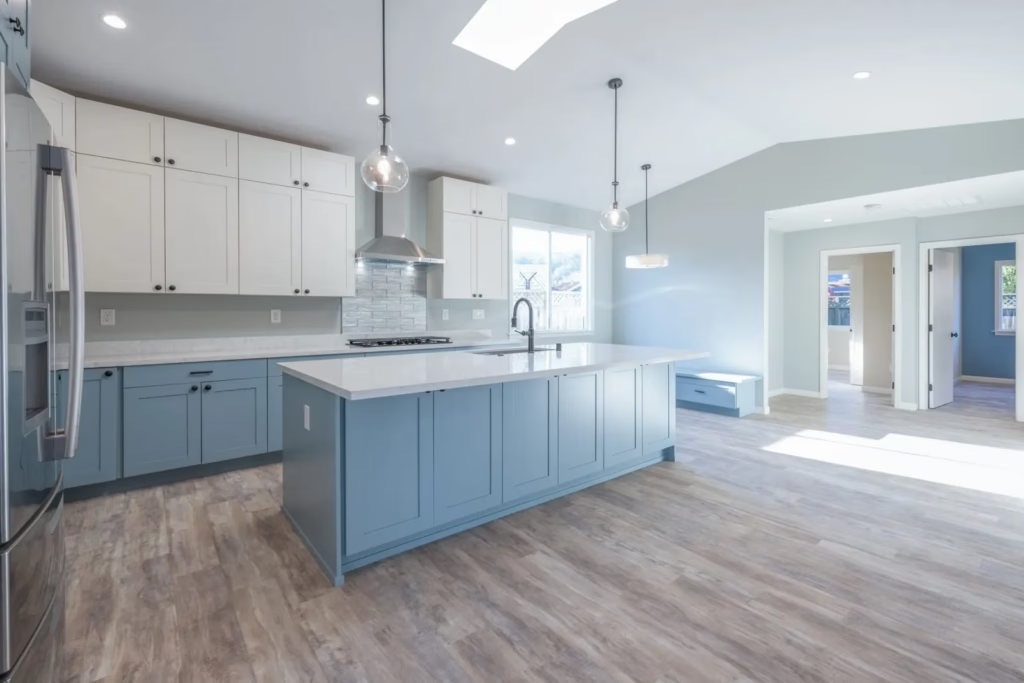
Adding more space to your home can be one of the best decisions you make, whether it’s to accommodate a growing family or increase your home’s value.
For residents of the San Francisco peninsula, where property prices are high and relocating isn’t always an option, a home addition offers a smart solution to maximizing your living area without the hassle of moving.
Follow the link to view a detailed comparison of the benefits of home additions vs. moving.
The Benefits of a Home Addition
- Increase living space: Whether it’s a new family room, an expanded master bedroom, or a sunroom addition, creating extra room means more comfort for your household.
- Boost your home’s value: A well-executed room addition can enhance the value of your home, making it more appealing to future buyers. This is especially important in the competitive San Francisco Bay Area real estate market.
Understanding your reasons for adding on will help shape your decisions as you move forward with your home addition project.
Step 1: Define Your Needs and Vision
Before diving into any home remodeling project, it’s essential to clarify what you want to achieve with your room addition.
Whether you’re envisioning a spacious family room, a cozy master bedroom, or an extra bathroom, defining your goals early on ensures the entire project stays on track.
Here’s how to get started.
Evaluate Your Existing Space
Instead of immediately opting for room additions, consider how you can optimize your current layout.
Sometimes, reorganizing or decluttering your existing space can help you avoid costly expansions.
- Declutter and repurpose: Reorganizing or adding smart storage solutions may reveal extra space you didn’t realize you had.
- Explore conversion options: Garage conversions or transforming a basement can provide much-needed space without requiring new construction.
Ask Yourself the Big Questions
Understanding your motivation for the home addition helps you plan better.
Do you need more space for a growing family, or are you trying to improve your home’s layout and increase its value?
- Why do you want to expand?: Consider if the goal is to add functional spaces, like a family room addition, or to boost your home’s space and overall flow.
- Is the addition worth the cost?: Be sure that your planned expansion will add value to your home, especially if you live in the competitive San Francisco Bay Area.
Step 2: Budgeting for Your Home Addition
Before starting any home remodeling project, setting a realistic budget is crucial.
Whether you’re planning a master bedroom addition or expanding your living space, having a well-thought-out financial plan helps prevent overspending and keeps your project on track.
Here’s how to create a budget that works.
Determine Your Budget
Start by understanding the basic costs of your room addition.
In the San Francisco Bay Area, construction costs can range significantly, so it’s essential to factor in the type of addition and materials used.
- Typical home addition cost: On average, home additions cost between $250k and $750k+. High-end finishes or custom room additions can push this number higher.
- Contingency fund: Always reserve 10–15% of your budget for unexpected expenses or changes in the construction process. Surprises like needing new plumbing or hidden electrical issues are common.
- Financing options: If you’re considering a home improvement project that exceeds your available funds, look into a home equity line or other financing options to make your dream addition a reality.
By planning your budget with care, you’ll be ready for anything, whether you’re working with home addition contractors or general construction services in San Francisco or San Mateo County.
Step 3: Selecting the Right Contractor
Choosing the right general contractor for your home remodeling project is one of the most crucial steps in ensuring a successful outcome.
Whether you’re planning room additions, a bathroom remodeling, or a larger renovation, the right professional will bring your vision to life while staying on time and within budget.
Research and Interview Contractors
Finding the right home addition contractors in the San Francisco Bay Area requires careful research.
A few key actions can help you make the best choice:
- Get multiple estimates: Always interview at least three general contractors and request detailed, written bids. Compare costs per square foot and ensure they include all necessary work, from plumbing work to finishing touches.
- Check credentials: Make sure the contractor is licensed, insured, and has experience with home additions. Check online reviews, testimonials, and previous home improvement projects to gauge their reputation.
- Assess their experience: Contractors with experience in similar projects (such as garage conversions or bathroom renovations) are more likely to handle your needs effectively.
Follow the link to view a step-by-step guide to hiring the right home addition contractor.
Red Flags to Avoid
Avoiding the wrong contractor is just as important as finding the right one. Watch for these warning signs:
- Low-ball estimates: If a contractor’s bid is significantly lower than others, it could indicate hidden costs or shortcuts in quality.
- Lack of transparency: A contractor who hesitates to provide written contracts, detailed timelines, or transparent processes may not be reliable.
Selecting a trusted professional will set the tone for the entire construction process, ensuring your home remodeling project in San Mateo or San Francisco runs smoothly.
Step 4: Understanding the Construction Process
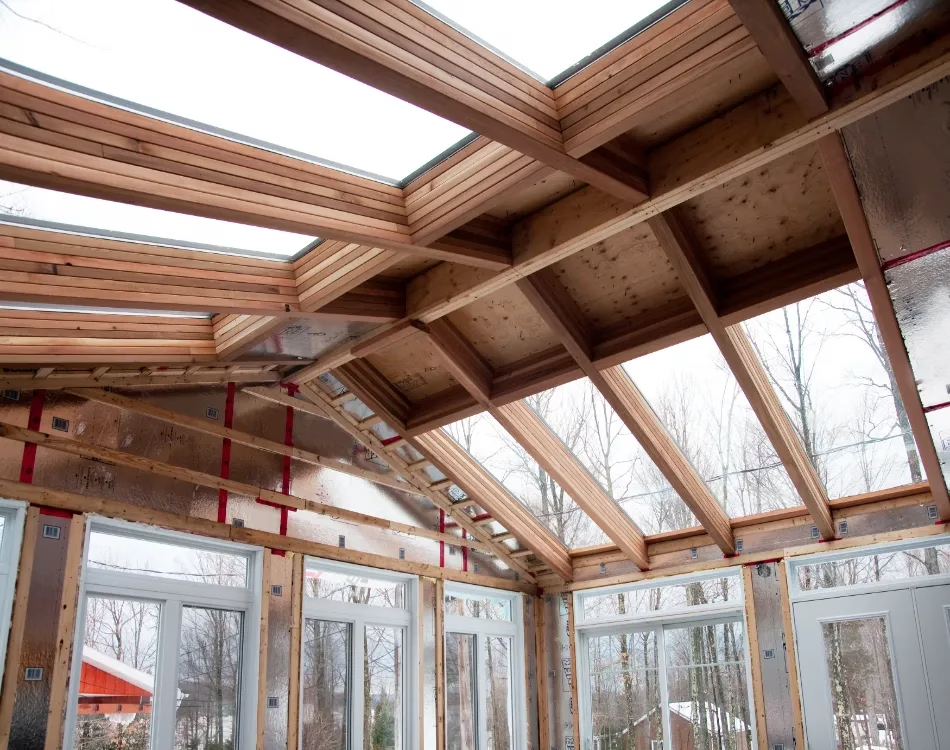
The construction process of a home addition can be both exciting and overwhelming.
Knowing what to expect can help you navigate disruptions and make the experience smoother.
Whether you’re adding a new room or expanding your living space, the timeline and steps involved are crucial to keep in mind.
What to Expect During Construction
Construction follows a specific order, and understanding this sequence can prevent confusion along the way.
- Demolition: This is often the messiest part of the project. Expect loud noises, dust, and a temporary disruption to your usual routine.
- Linear process: Building occurs in stages. Foundations are laid first, then framing, followed by interior work like plumbing and electrical. Each phase needs to be completed before the next begins.
- Potential delays: Weather, materials availability, and subcontractor scheduling can sometimes slow progress. Stay in touch with your general contractor to ensure they communicate any possible delays and changes in the schedule.
Living Through Construction
Managing life around construction can be tricky, especially if your project affects major parts of your existing home.
- Should you stay or go?: If the addition disrupts more than half of your home or requires utilities like electricity or water to be turned off, consider temporarily relocating.
- Minimize discomfort: Plan ahead for dust, noise, and limited access to certain areas of your home. A proactive approach will help you handle these challenges.
By understanding the phases and disruptions involved in the remodeling process, you can better prepare and work closely with your general contractor to keep your home project on track in the San Francisco Bay Area.
Step 5: Navigating Zoning, Permits, and Legal Requirements
Before breaking ground on your home remodeling project, it’s essential to ensure that all legal aspects are in order.
This includes obtaining the necessary permits and complying with local zoning regulations, which can vary greatly across the San Francisco Peninsula.
Taking care of these steps early on will save you from potential delays and legal headaches during your construction project.
Zoning and Permits
Zoning laws and building permits are fundamental in determining what’s possible with your room additions and expansions.
- Local zoning laws: Every city in the Bay Area has its own zoning regulations that dictate where and how you can build. These laws cover everything from property setbacks to the height and size of your addition.
- Building permits: Securing the proper permits is essential for any room addition or new construction project. These permits ensure that your construction work complies with local building codes, and your general contractor will typically handle this part of the process.
- Homeowners’ associations: In some cases, if you live in a community governed by an HOA, you may also need approval for your home renovation plans. This may include aesthetic requirements and restrictions on specific types of remodeling services.
Working with a Contractor
A professional general contractor will be well-versed in the permit process and local zoning laws.
They will help ensure that all legal documents are submitted correctly and on time, reducing your stress as the home project moves forward.
Staying compliant with zoning and building regulations is not only a legal requirement but also an incredibly important step to ensure your dream home addition is completed smoothly and without unnecessary delays.
Step 6: Managing Costs and Change Orders
Keeping track of expenses during your home remodeling project is crucial to avoid going over budget.
Changes in scope, unforeseen challenges, and material upgrades can quickly increase costs if not managed properly.
Here’s how to stay on top of things and ensure that your living space expansion remains within your financial plan.
Hidden Costs and Scope Creep
Even with a well-planned budget, unexpected costs can arise. Here’s what to watch out for:
- Unforeseen issues: Structural problems, outdated wiring, or plumbing issues can surface once demolition begins, leading to additional expenses.
- Scope creep: As your home renovation progresses, you might be tempted to add extra features like upgraded fixtures or a larger bathroom remodeling job. Be mindful of sticking to your original plan to prevent escalating costs.
- Upgrades: Selecting higher-end finishes or changing materials mid-project can also increase expenses.
Setting Clear Expectations with Your Contractor
To minimize surprises, it’s essential to maintain clear communication with your general contractor.
Here’s how:
- Written agreements: Have a detailed, written contract outlining the scope of work, materials, and deadlines. This ensures both parties are on the same page.
- Change orders: When changes need to be made, insist on getting a transparent process in writing. Understand how these changes will affect the overall budget and timeline before moving forward.
By managing costs carefully and addressing changes promptly, you can keep your Bay Area home addition on budget and avoid delays, making sure your dream home project stays on track.
Step 7: Finalizing and Inspecting the Addition
As your home addition nears completion, the focus shifts to making sure every detail is just right.
The final stages of your home remodeling project are crucial for ensuring that the work meets your expectations and is ready for you to enjoy.
Final Walkthrough and Inspection
Once the construction is finished, it’s time to evaluate the new living space and confirm that everything has been done according to plan.
- Walkthrough with your contractor: Tour the new room with your general contractor to check that all aspects, from finishes to structural details, align with the original design.
- Final adjustments: Look for any minor touch-ups or last-minute fixes, like paint touch-ups or misaligned fixtures, and request these be addressed before signing off on the project.
- Permit inspections: Ensure all necessary inspections are completed by local authorities to confirm that the home renovation meets building codes.
Settling Into Your New Space
With the additional room complete, you can finally settle into your updated Bay Area home.
- Long-term maintenance: Make sure to establish a maintenance plan for your new bathroom, living room, or any other new space. Regular upkeep helps preserve the quality of your addition.
- Enjoying the results: Whether it’s extra natural light in your new room or enhanced functionality in your expanded living space, your dream project is now a reality.
By following these final steps, your home remodeling journey concludes with a finished product that reflects your vision and enhances your home.
Transform Your Home with Home Pride Construction
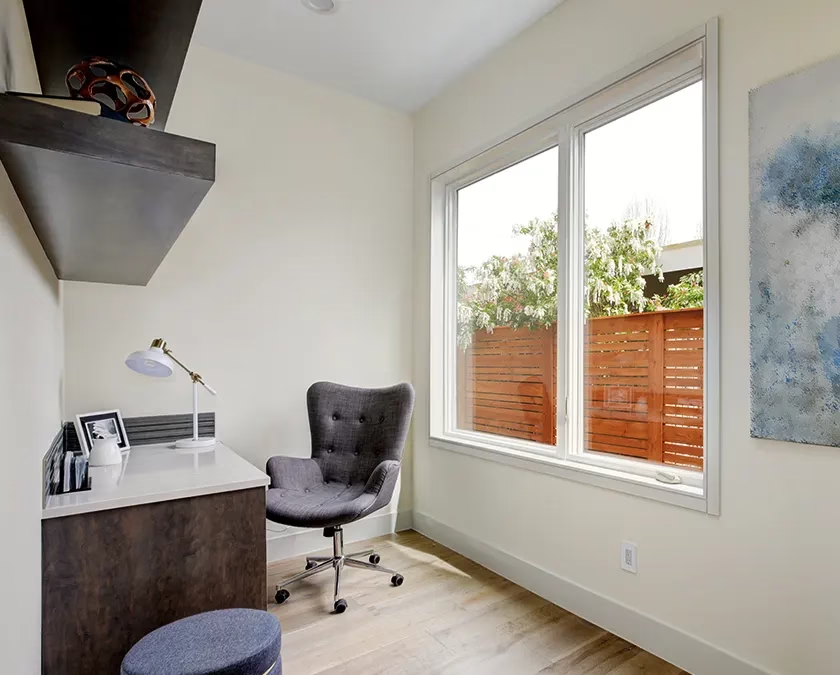
By now, you’ve learned the essential steps of planning, budgeting, and managing a successful home addition project.
Whether you’re expanding your living space or adding a much-needed bathroom, understanding the process will help you achieve your dream home with confidence.
Home Pride Construction specializes in bringing visions to life, from concept to completion. Our expertise in handling home additions ensures that every detail is carefully managed so your project stays on time and within budget.
Ready to get started?
Fill out our contact form today, or give us a call, and let Home Pride Construction help you create the perfect space for your family.