




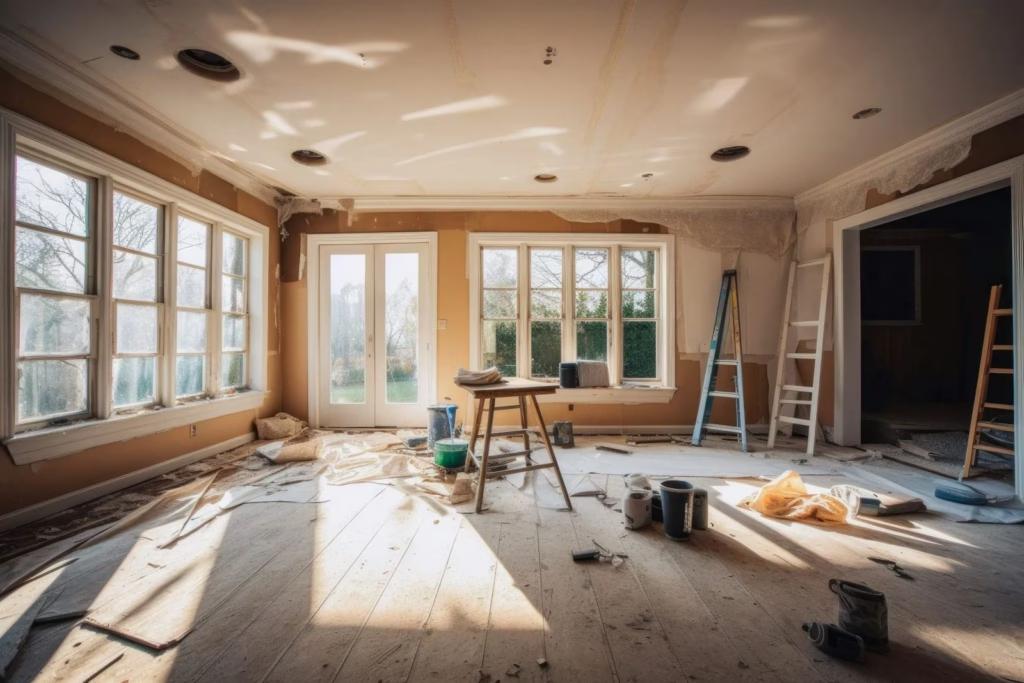
Minimize the Chaos: A Seamless Home Addition Process
Ever wonder how to keep your home life running smoothly while construction crews hammer away in the background? Or how to avoid living in a dust storm during your home addition project?
If you’re planning a home addition on the San Francisco peninsula, navigating the process without too much disruption is crucial.
In this post, we’ll explore simple yet effective ways to minimize chaos during your home addition.
You’ll learn how to set up temporary living spaces, manage noise and dust, and maintain communication with your contractor.
By the end, you’ll have a roadmap to reduce stress and ensure a smoother home addition experience.
Ready to keep your household calm and organized throughout the construction process?
Let’s dive into the strategies that will make it happen.
Why Minimizing Disruptions Is Key to a Successful Home Addition
There are many things to consider when adding onto a house, but it’s essential to understand that disruptions will be part of the process.
Noise, dust, and restricted access can interrupt your daily life and create stress for your family.
By taking steps to minimize disruption, you can make the experience smoother and less invasive.
Keeping your normal routine as intact as possible helps maintain peace in the household.
Let’s explore ways to minimize these interruptions and keep things running smoothly.
Set Up a Functional Temporary Living Space
One of the best ways to minimize disruption during a home addition is to set up a temporary living space.
A thoughtful approach to this can make your home renovation project much more manageable.
Temporary Kitchen and Living Arrangements
If your kitchen or other primary living spaces are impacted by the construction, creating a temporary setup is essential for maintaining a sense of normalcy.
- Create a temporary kitchen: Use portable appliances like a mini-fridge, microwave, and toaster oven to keep meal prep simple.
- Establish a comfortable living area: Move furniture to an unaffected room or area in the house to create a functional, cozy space during construction.
- Plastic sheeting: Use plastic barriers to block off dust and debris from spreading into your temporary living space.
By preparing in advance, you can maintain minimal disruption to your daily routine and keep the project moving smoothly.
Communicate Clearly with Your Contractor

Effective communication is key to ensuring your home addition runs smoothly and with minimal disruption.
By staying on the same page with your contractor, you can tackle potential issues before they escalate.
Set Clear Expectations
Setting clear expectations with your contractor at the start of the renovation project will help everyone understand their role and timeline.
- Create a realistic timeline: Discuss each phase of the project and establish reasonable deadlines.
- Plan for unexpected issues: Factor in unexpected delays like weather or supply shortages, and build a contingency budget into your plan.
- By addressing these elements early on, you’ll reduce stress and make sure your project stays on schedule.
Follow the link to learn more about what it’s like working with home addition contractors.
Establish Regular Check-Ins
Maintaining consistent communication with your contractor helps you track progress and address any concerns promptly.
- Weekly meetings: Schedule regular check-ins to discuss progress and any shifts in the timeline.
- Flexibility is key: Be ready to adjust based on new developments, ensuring the construction process remains as seamless as possible.
Hiring a home addition contractor who prioritizes clear communication is an essential part of minimizing renovation disruption and keeping your home improvement on track.
Manage Noise, Dust, and Debris
When a home renovation or addition is underway, managing noise, dust, and debris is essential for minimizing disruption to your daily life.
These potential disruptions can make your home uncomfortable, but with careful planning, you can reduce their impact.
Noise Reduction Strategies
Excessive noise can disrupt your living situation, especially when construction begins.
Implement these strategies to keep things quieter:
- Plan noisy work for the right time: Coordinate with your contractors to schedule loud activities during times when you or your family aren’t home.
- Use noise-reducing tools: Items like noise-canceling headphones or white noise machines can make a big difference if you’re staying at home during the project.
Dust Control Measures
Dust and debris can affect air quality and create a mess in your home during the renovation process.
- Seal off work areas: Use plastic sheeting to block dust from spreading to other parts of the house.
- Daily cleaning: Request that your contractor regularly clean the work area to minimize buildup.
- Improve ventilation: Open windows and use fans to direct dust outdoors, ensuring better air circulation throughout the process.
By proactively addressing these factors, you can maintain a more comfortable living environment while your home addition progresses.
Plan Around the Project’s Schedule
Timing is everything when it comes to minimizing disruptions during a home addition.
Being strategic about when and how certain tasks are completed can reduce the impact on your daily life and help ensure the project stays on track.
Coordinate with Your Contractor
Open communication with your reliable contractor can make all the difference in managing your home renovation efficiently.
- Plan ahead: Discuss the construction timeline with your contractor and try to schedule disruptive phases when you won’t be home, such as during work hours or vacations.
- Stay flexible: Be prepared for unexpected issues like material delays or weather-related interruptions, and adjust your plans accordingly.
Timing Personal and Family Events
To avoid unnecessary stress, make sure your renovation project doesn’t overlap with major life events.
- Avoid scheduling conflicts: If possible, don’t schedule your home addition during holidays or significant family milestones.
- Take a proactive approach: Use a realistic timeline to ensure your home is livable during key family events.
By being thoughtful about your home’s construction schedule and communicating with your contractor, you can minimize the disruptions and make the entire renovation process smoother.
Decide Whether to Stay or Relocate
When it comes to a home addition, one of the biggest decisions you’ll face is whether to stay in your house or temporarily relocate.
This choice depends on the scope of your construction project and how much it will impact your daily routine.
When to Stay
For smaller projects or additions that don’t interfere with the main living areas, staying in your home can be a viable option.
- Minor disruption: If the room being added doesn’t require major structural changes, like a new roof or the relocation of utilities, staying put can help you save on accommodation costs.
- Isolated work areas: When the construction is limited to one area, such as a garage or a basement, it’s easier to maintain your normal routine throughout the process.
When to Temporarily Move Out
Larger or more invasive renovations might require you to temporarily relocate for comfort and safety.
- Extensive remodel: If the project involves multiple rooms, utility shutdowns, or the use of heavy machinery, consider moving out to avoid excessive noise, dust, and safety concerns.
- Health and safety concerns: For families with small children, pets, or health sensitivities, living elsewhere during major construction phases can help reduce stress.
Making an informed decision about whether to stay or relocate can significantly minimize disruptions and help keep your home addition project on track.
Protect Your Property and Personal Space
During a home addition project, protecting your property and maintaining personal space is crucial to minimizing disruptions.
With construction happening inside and around your home, safeguarding your belongings and ensuring your living space remains functional can make the process far less stressful.
Here are a few strategies to protect your property during the remodel.
Safeguard Valuable Items
- Move fragile and valuable items: Relocate electronics, artwork, and other valuables to a secure, dust-free area before the remodel begins.
- Use protective coverings: Cover floors, walls, and furniture with protective materials like plastic sheeting to prevent damage from dust, debris, and tools. (Keep in mind that reputable home addition contractors, such as Home Pride Construction, will ensure your property is protected.)
- Store items off-site: For larger projects, consider renting a storage unit to store furniture and personal belongings, ensuring they remain untouched.
Install Temporary Barriers
- Seal off construction areas: Use temporary barriers like plastic sheets to separate the construction zone from your living space. This keeps dust and debris contained and minimizes disruption.
- Create physical barriers: For more extensive projects, install plywood to shield high-traffic areas, protecting walls and floors from potential damage.
Maintain Privacy During Construction
- Designate private spaces: Clearly define areas of the home where construction workers can and cannot access to maintain your personal privacy.
- Schedule work hours: Discuss the construction schedule with your contractor to ensure workers are on-site during agreed-upon hours, allowing you to plan around disruptions.
Plan for Unforeseen Issues
No matter how carefully you plan a home addition, unexpected challenges can arise.
Whether it’s weather delays or unforeseen structural problems, being prepared for these situations will help you manage the process smoothly.
Having a proactive approach will ensure that your project stays on track, minimizing the impact on your daily routine.
Common Issues and How to Handle Them
- Material delays: Shortages of building materials or delays in deliveries can slow down your remodel. To deal with this, order materials well in advance and maintain open communication with your contractor about potential supply chain issues.
- Weather complications: On the San Francisco peninsula, rain or fog can delay outdoor construction work. Plan around these seasonal weather patterns and factor potential delays into your timeline.
- Structural surprises: Once construction begins, hidden issues like water damage or outdated wiring may arise. Set aside a portion of your budget to cover these unexpected costs.
Have a Contingency Plan
- Budget for extra costs: It’s wise to include a contingency budget of at least 10–15% of the total project cost. This will allow you to manage additional expenses without derailing your remodel.
- Temporary accommodations: If disruptions become too intense, be prepared to temporarily move out. Arrange for alternate living arrangements before the project begins, just in case.
- Stay flexible: While maintaining a realistic timeline is crucial, being flexible when unforeseen issues arise can help reduce stress. Work with your contractor to adjust the schedule if necessary.
Home Pride Construction: Your Partner in Stress-Free Home Additions
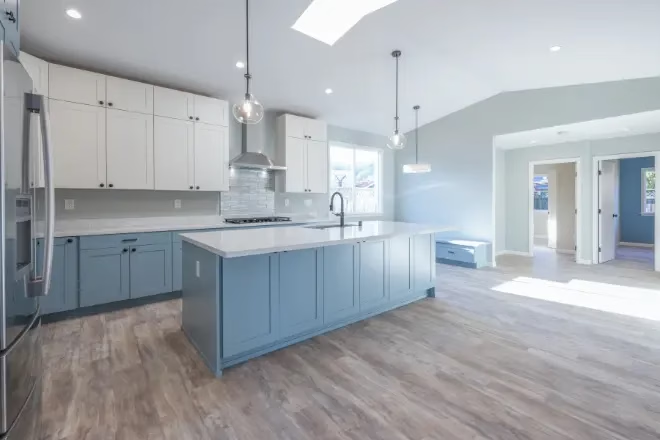
By following these tips, you’ve learned how to minimize disruptions during your home addition project, keeping your daily routine intact while ensuring the construction progresses smoothly.
With the right strategies, such as setting up a temporary living space, planning ahead, and staying flexible, you can avoid common pitfalls and enjoy a more comfortable renovation experience.
Home Pride Construction specializes in making home additions as seamless as possible, offering expertise that reduces the hassle and keeps your project on track.
Our team works closely with you to plan effectively, communicate clearly, and handle any unforeseen issues with ease so your vision becomes a reality without the stress.
Ready to get started on your next home addition?
Fill out our contact form today, or give us a call! We look forward to helping you achieve your dream space with minimal disruption.